
On the far northeast side of Nova Scotia is Cape Breton Island connected to the mainland by a causeway. The island is most known for dramatic coastal scenery, historic sites, traditional Gaelic music and artisan crafts. As such it is a popular holiday destination with numerous accommodation options for holiday makers including camping in Cape Breton Highlands National Park. One of the region’s main attractions is the 185 mile Cabot Trail, a roadway that loops around the northeastern part of the island with dramatic coastal vistas.
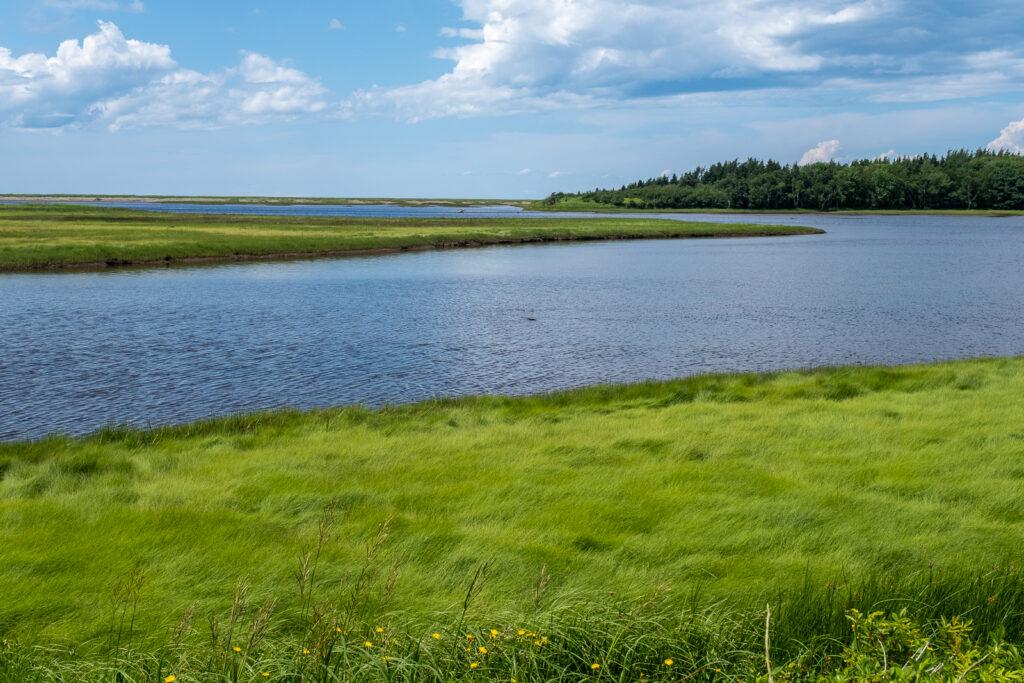
I was mostly interested in the scenery the island had to offer – the rolling forested hills, highland bluffs, wetlands and rocky shores. For those who also prefer scenery to towns, I would advise concentrating your visit in Cape Breton Highlands National Park. Within the park the east and west coasts have the most to offer. The west shore has vistas of high bluffs above the water. The east side has views of waves crashing on rock outcroppings, some with seals.
Hikes
Skyline Trail
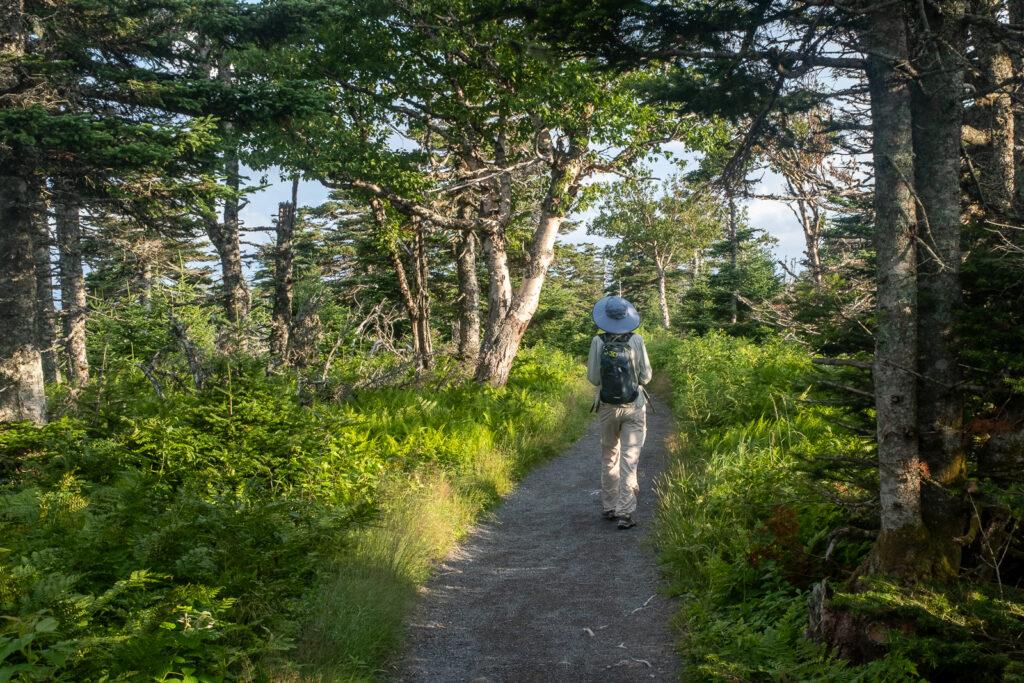
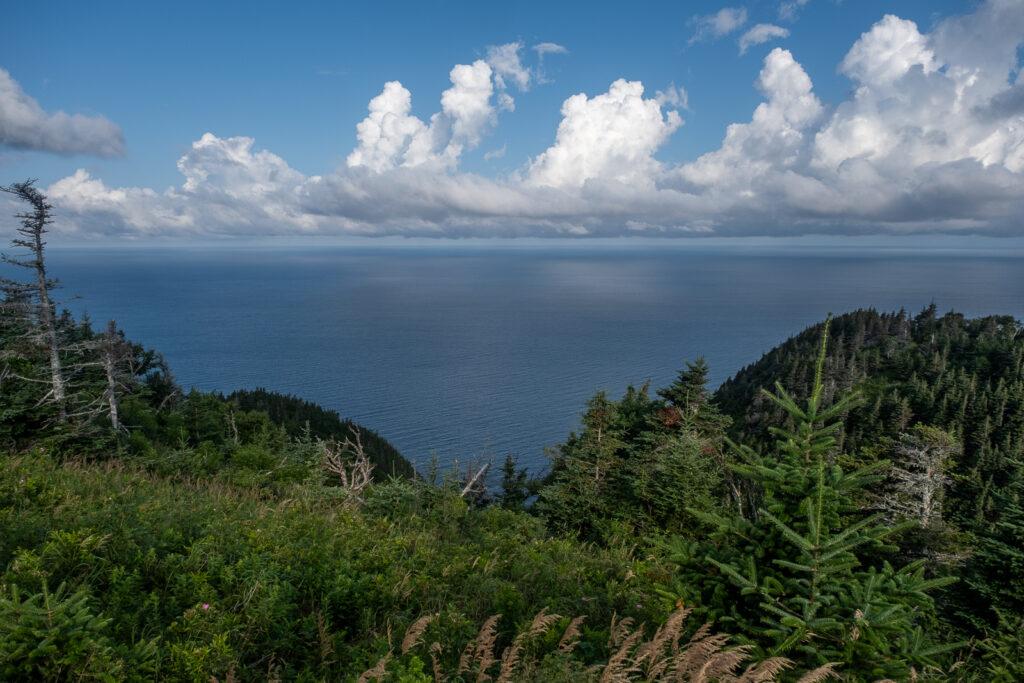
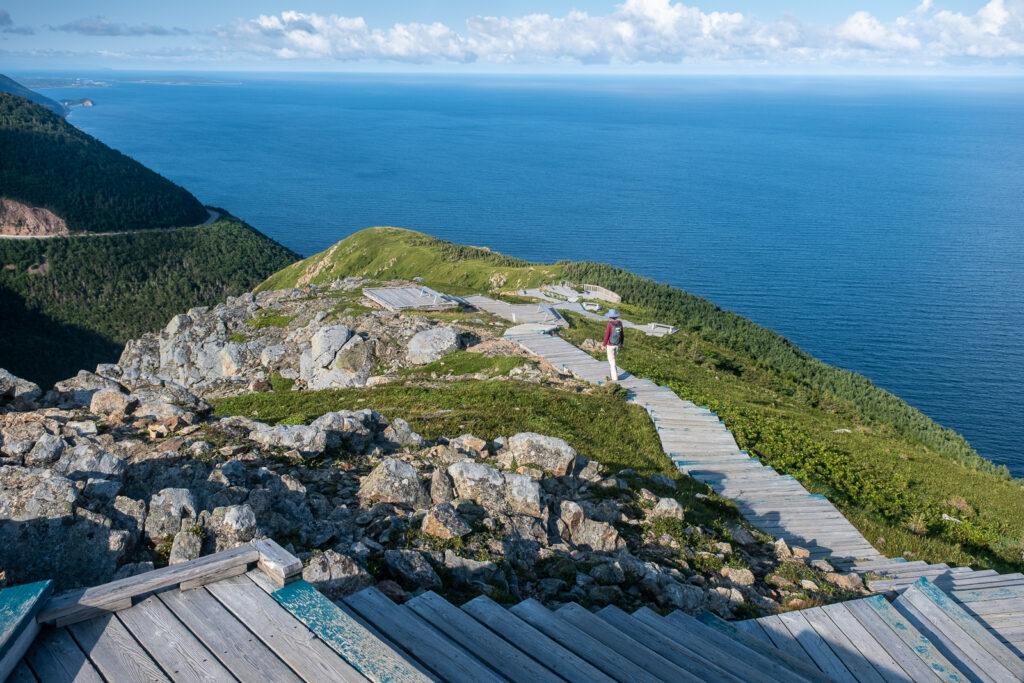
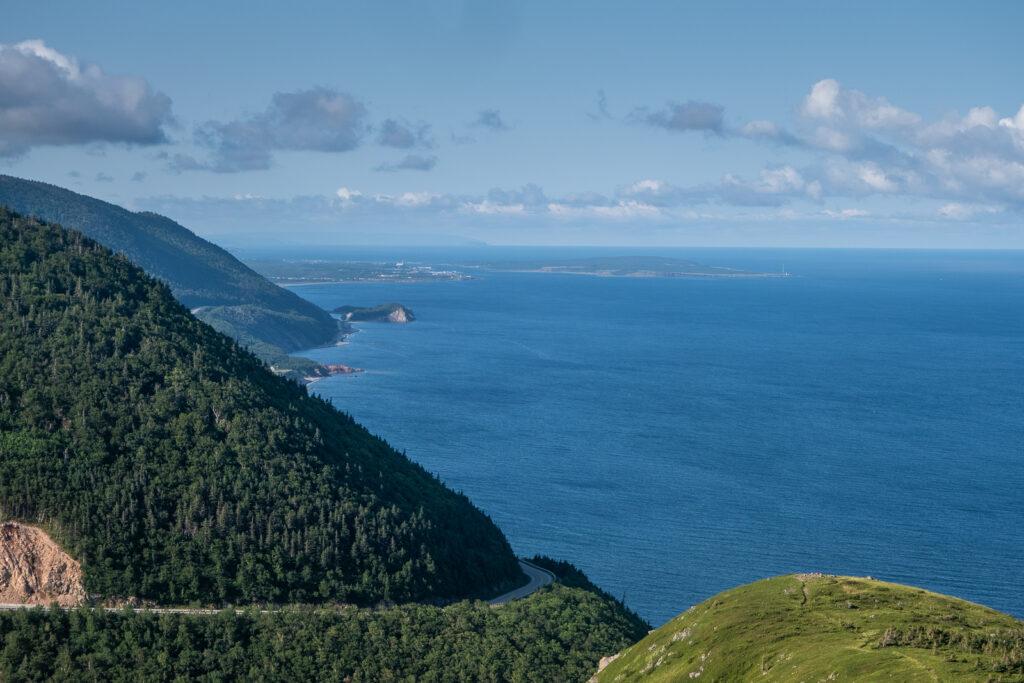
The Skyline Trail, located on the west coast, is the most recommended hike in the park, mostly for the impressive wooden walkway that descends a grassy bluff with views along the coast and out to sea. There are 2 options – a 6-mile loop trail and a 4.8-mile return walk out to the walkway and back. The loop trail adds a section along the bluffs before you get to the wooden walkway. While the mostly level well-graded trail crosses a pretty, high bluff with a variety of plants and trees the views along the cliffs did not wow me and consisted of mostly treed hills rolling down to the sea. If you want a pleasant walk come early in the day when there are few others. The parking lot is enormous and the trail can get crowded.
Green Cove
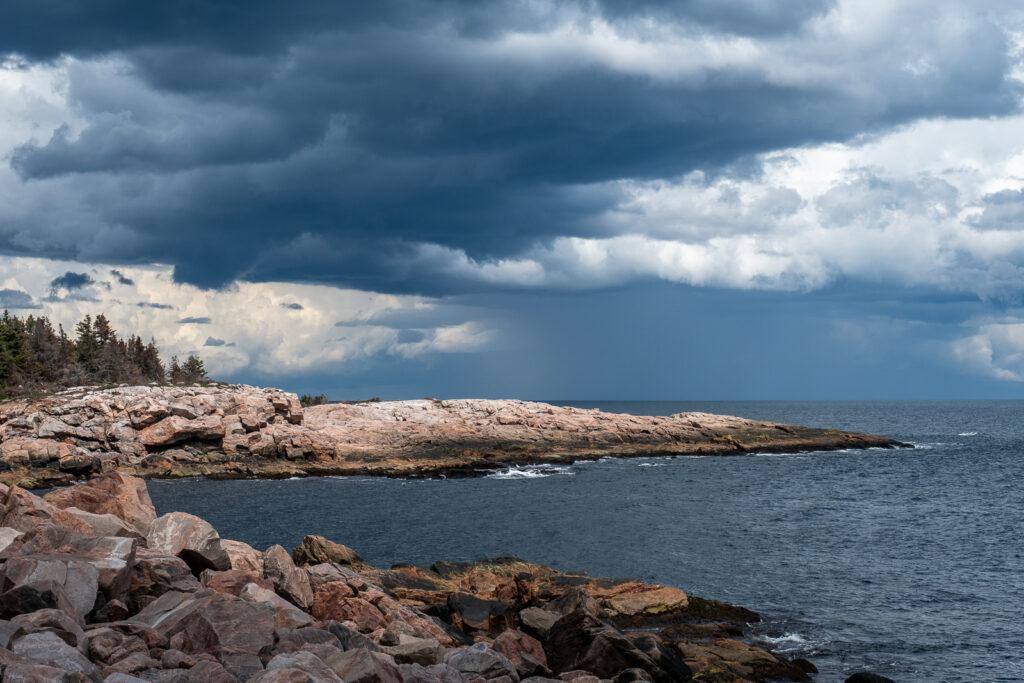
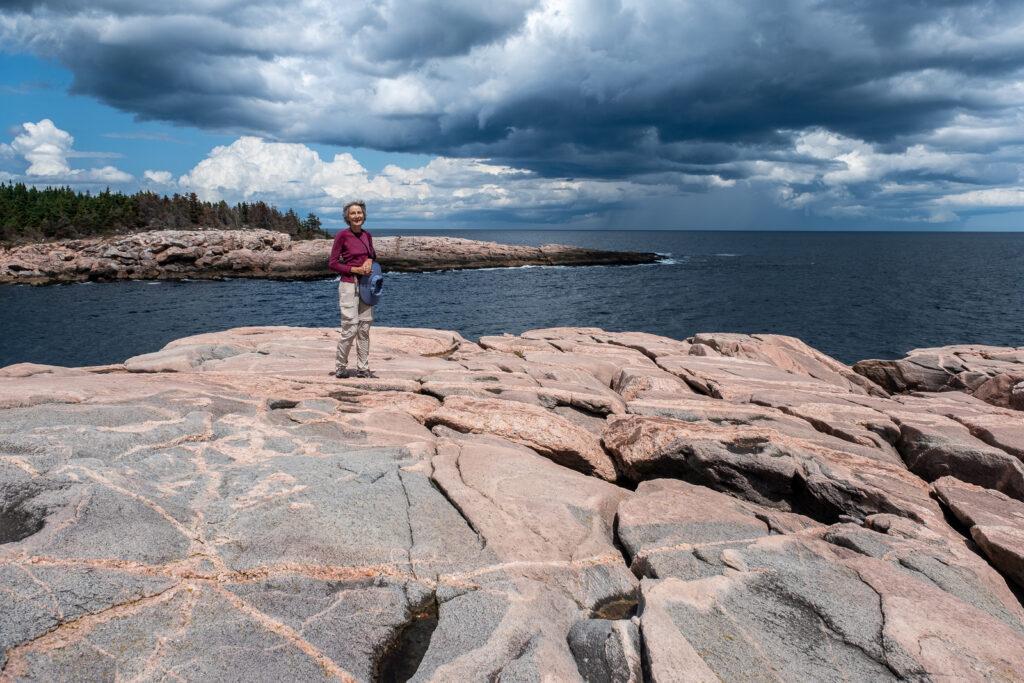
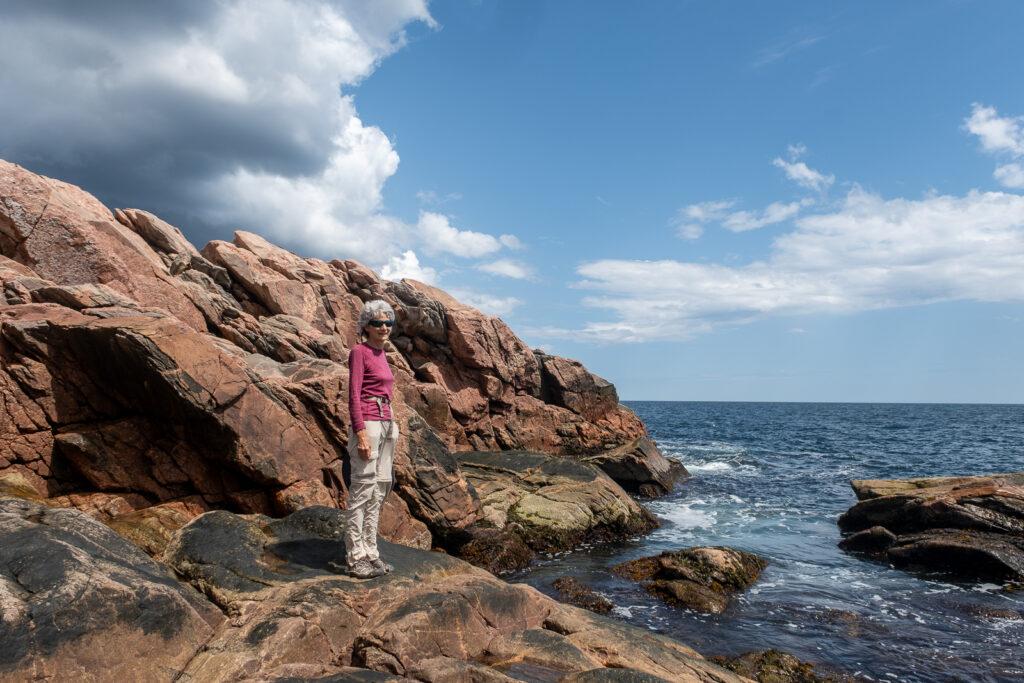
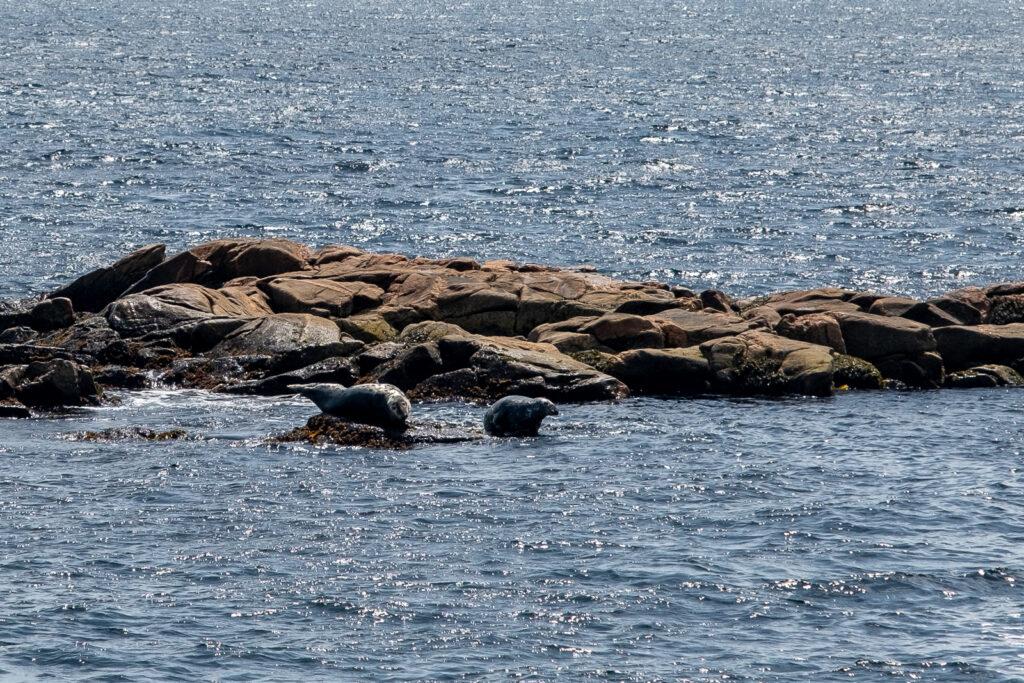
Green Cove located on the east coast is a picturesque rock outcropping with crashing waves and the possibility of seals. If you like rock scrambling this is the place to do it.
Middle Head Trail
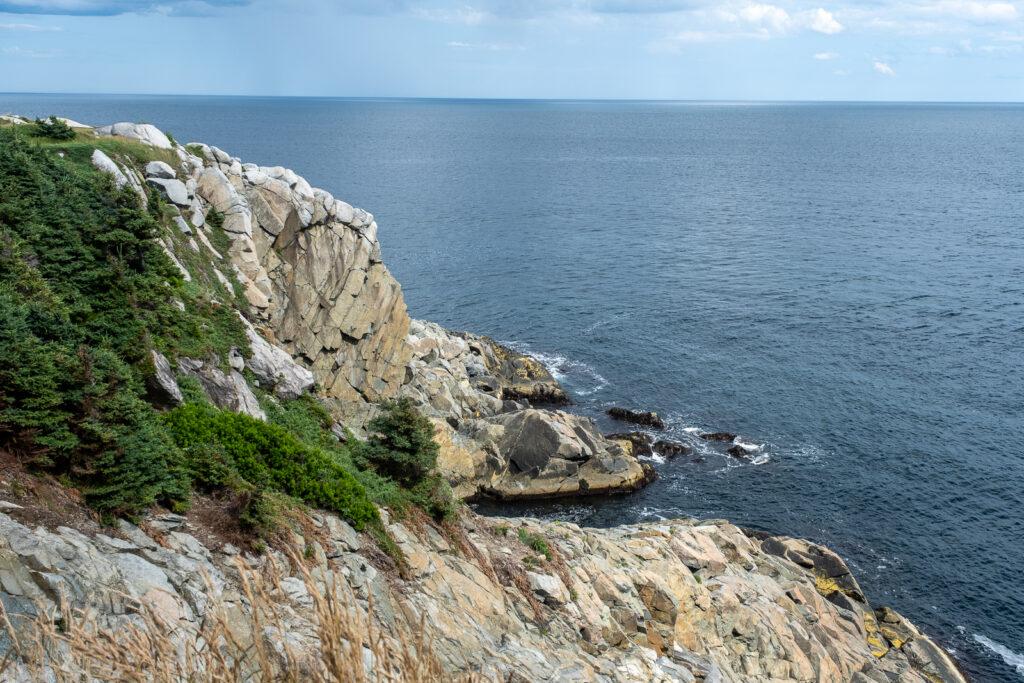
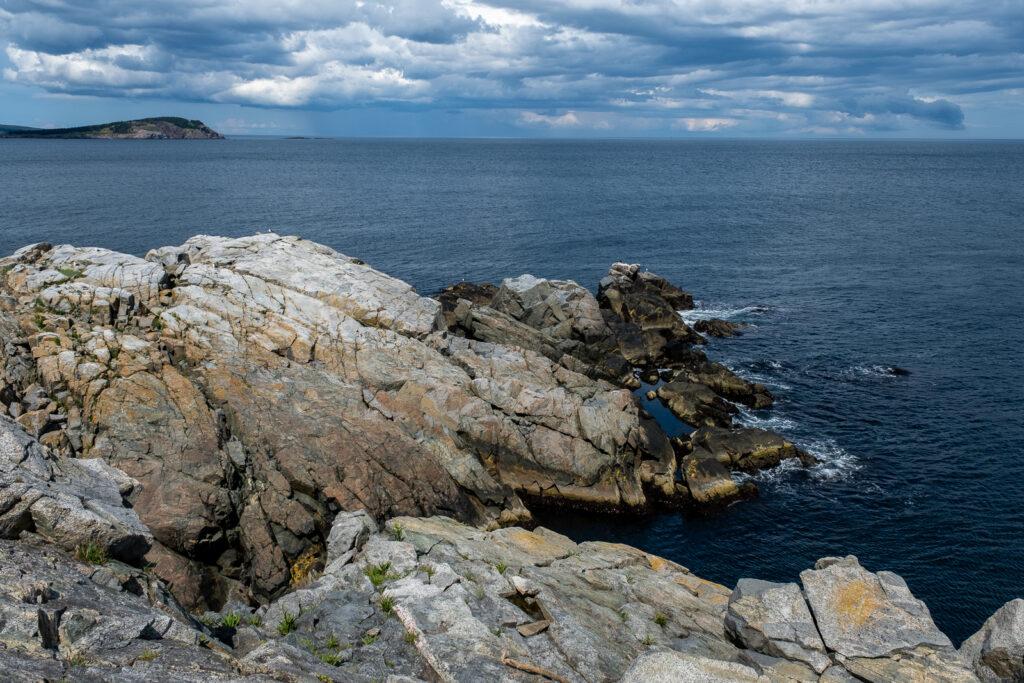
The Middle Head Trail is located on the east coast near Ingonish Beach and the Keltic Lodge. The 2.8-mile trail runs along a spit of land with water on both sides. Unfortunately, most of the trail is through the trees with only the occasional viewpoint looking over the rocky bluff. Still it is a pretty forest walk and some of the views are impressive. Note that the trail is popular and you may have to wait for a parking space.
Drive Through the National Park
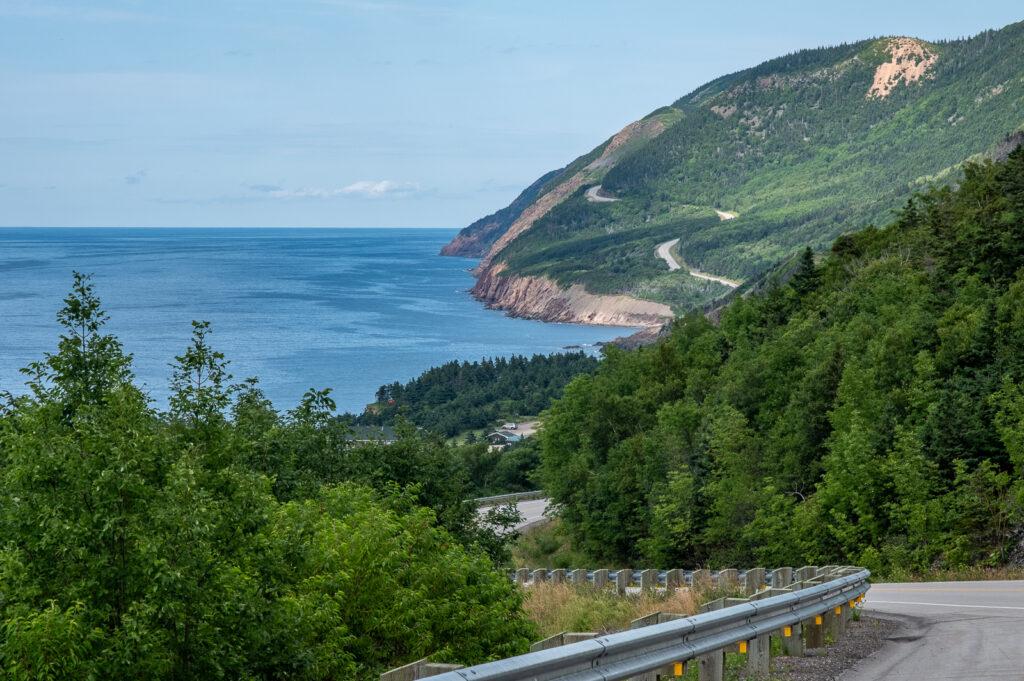
The 70-mile drive from one end of the park to the other is a scenic ride up and down rolling hills through forest and along the coast. It’s one of the highlights of the park.
Camping
We camped two nights, one night at Mkwesaqtuk/Cap-Rouge Campground on the west side of the park and the second night at Ingonish Beach Campground on the east side. This allowed us a day of exploring some of the trails and other viewpoints between the two.
Mkwesaqtuk/Cap-Rouge Campground
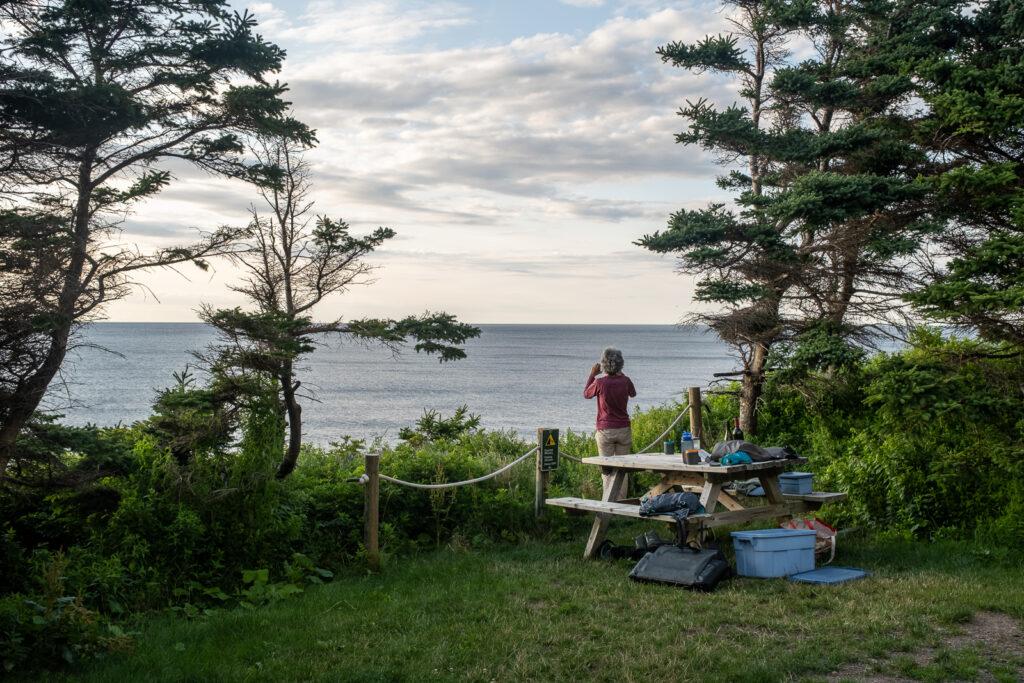
Mkwesaqtuk/Cap-Rouge Campground is a relatively new campground with many of the tent sites secluded bluff spots with views overlooking the sea. While the campsites are generally private and the facilities – including bathrooms, showers and sinks for washing dishes – clean and well kept up some aspects of the campground are higher hassle compared to other campgrounds. You make have to carry your gear to the campsite. Carts are available but they are kept at the other end of the campground near the office. All food and other items that have an odor such as toothpaste and soaps have to be kept in your vehicle. You can cook at your campsite but then have to carry all your food back to your car for overnight storage. In addition, in the summer of 2023, water needed to be treated before drinking. The ranger said that the plumbers declared the water acceptable to drink but they couldn’t officially say it was safe.
Ingonish Beach Campground
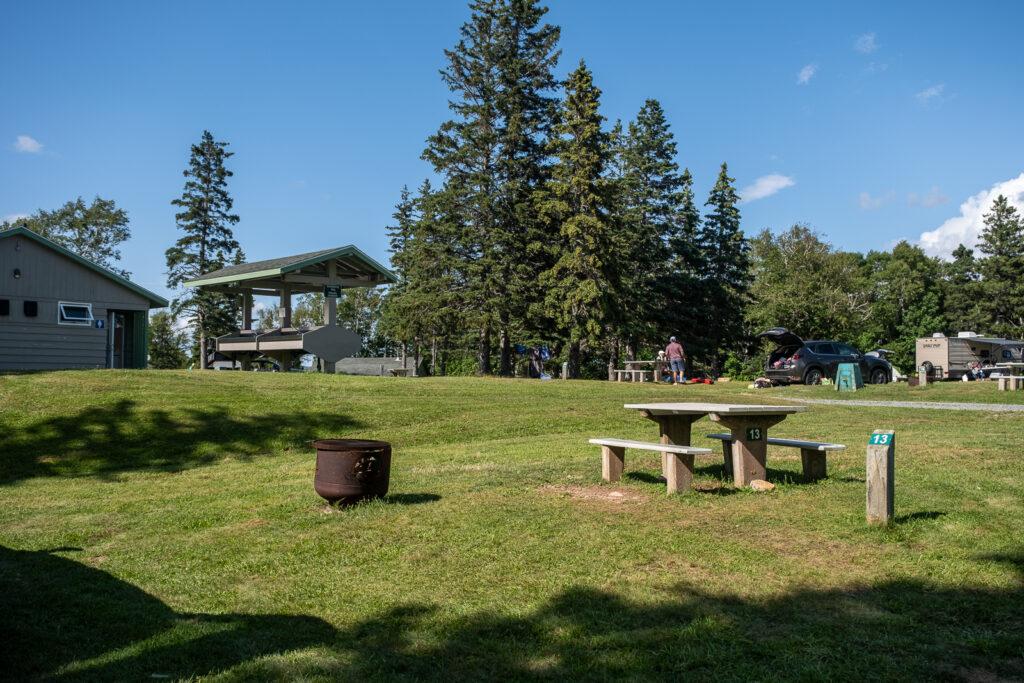
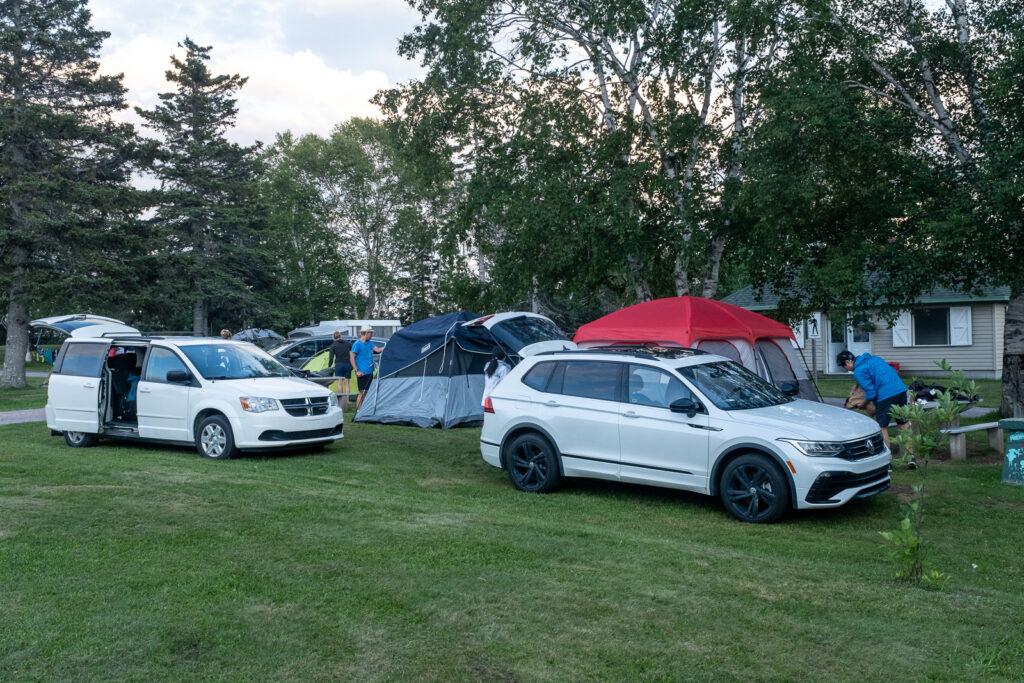
Ingonish Beach Campground is located on the east coast, the opposite side of the park from Mkwesaqtuk/Cap-Rouge Campground. The campsites are convenient but generally have little privacy. You can park in front of your site and don’t have to worry about food storage or boiling water. Most sites are in an open grassy field with a few trees around. Some sites are close together while others have a little more space. Facilities include bathrooms, shower and sinks to wash dishes.
If you are prone to mosquito bites a number of the areas were buggy in the height of summer. Bring repellent.
July 31 – August 1, 2023
For links to all the posts in this series see the Canadian Maritimes + Newfoundland page.
Wonderful scenery, and the woman that’s modeling for you is stunningly beautiful!
Isn’t she though! Looking forward to working with her again 🙂