Many tour companies suggest ending a Tanzanian safari by relaxing at a Zanzibar beach resort, about a 90 minute flight from Arusha. After bouncing around in a Land Cruiser for a week and a half, a couple of days of lounging sounded pretty good.
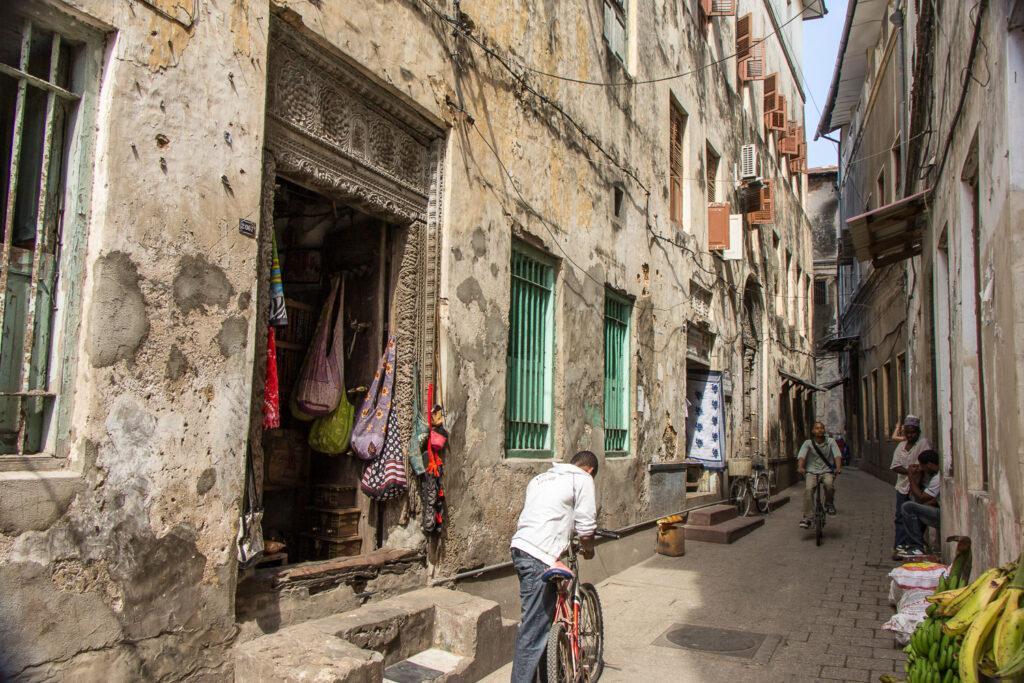
We begin our stay on the island in Stone Town. The old town center of Zanzibar City and a UNESCO World Heritage Site, it was a prominent trade center for spices and slaves during the 19th century.
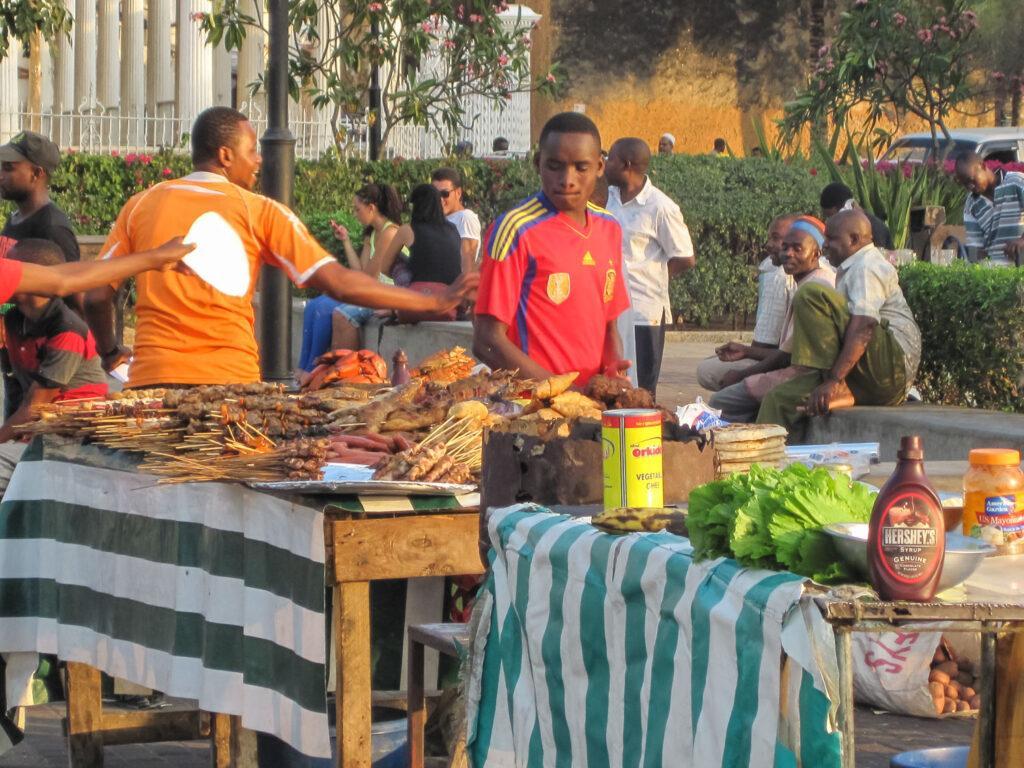
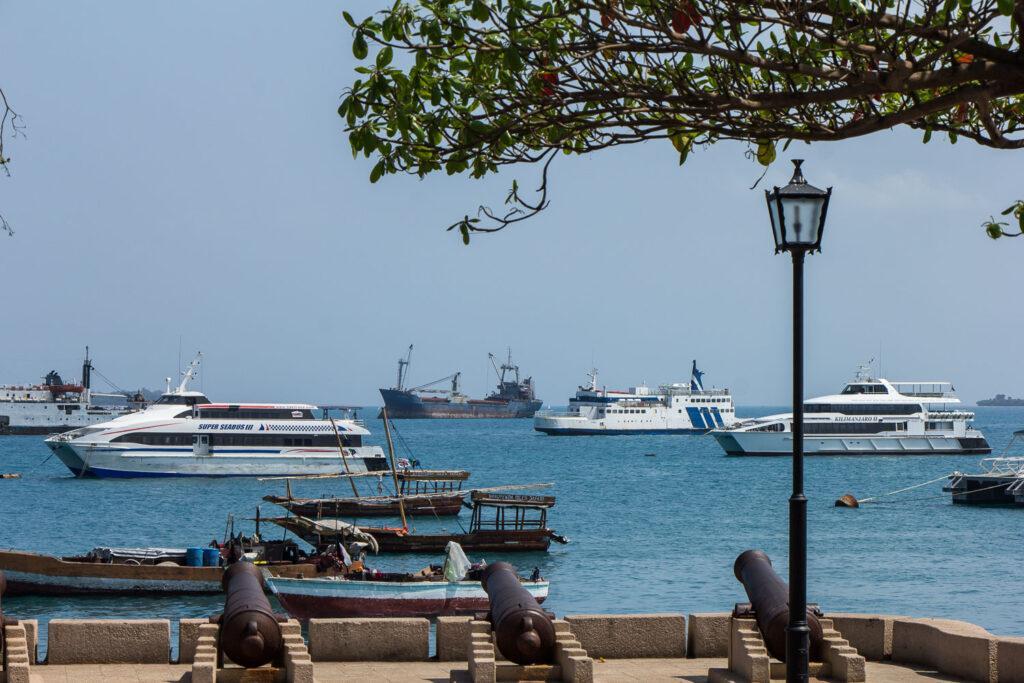
Today it is a thriving tourist center with an active port and numerous hotels and restaurants.
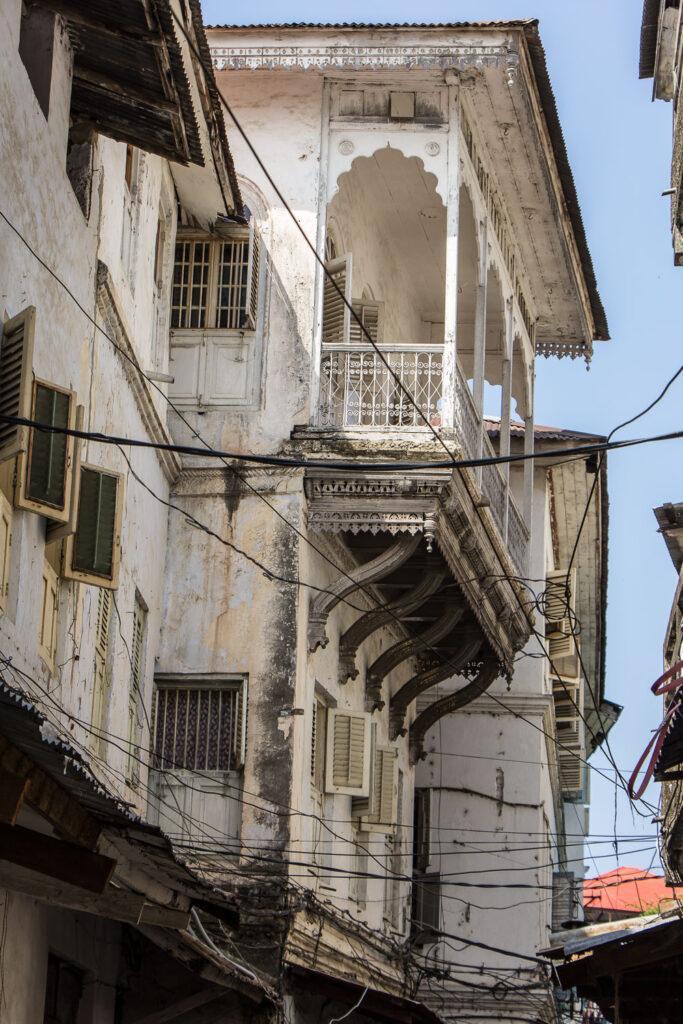
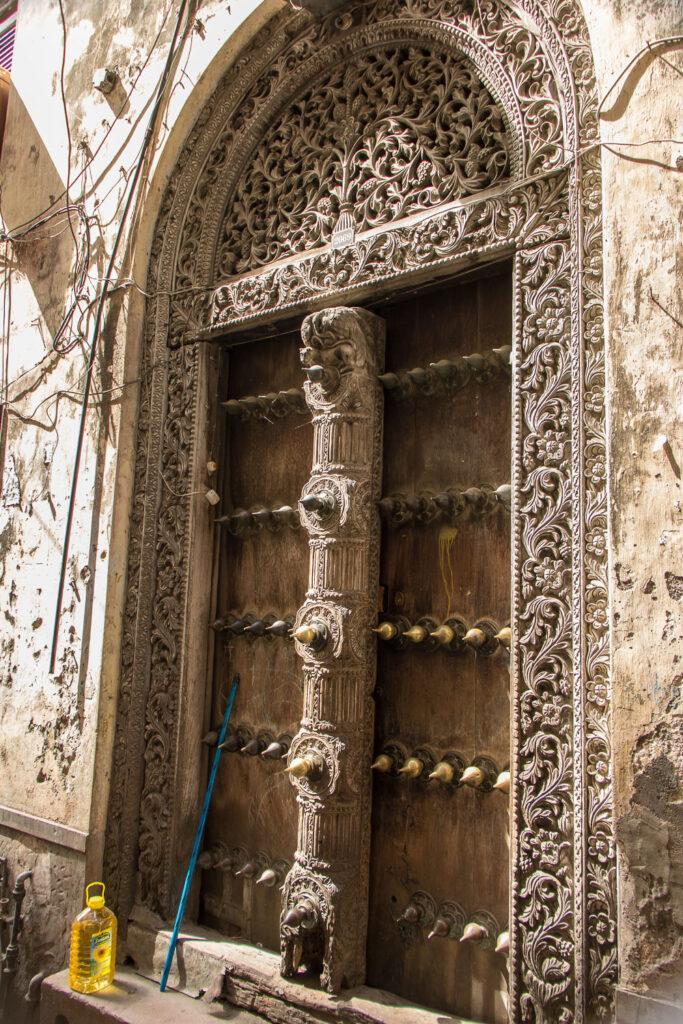
The alleyways full of crumbling buildings graced with the occasional carved door or wooden balcony exude old world charm.
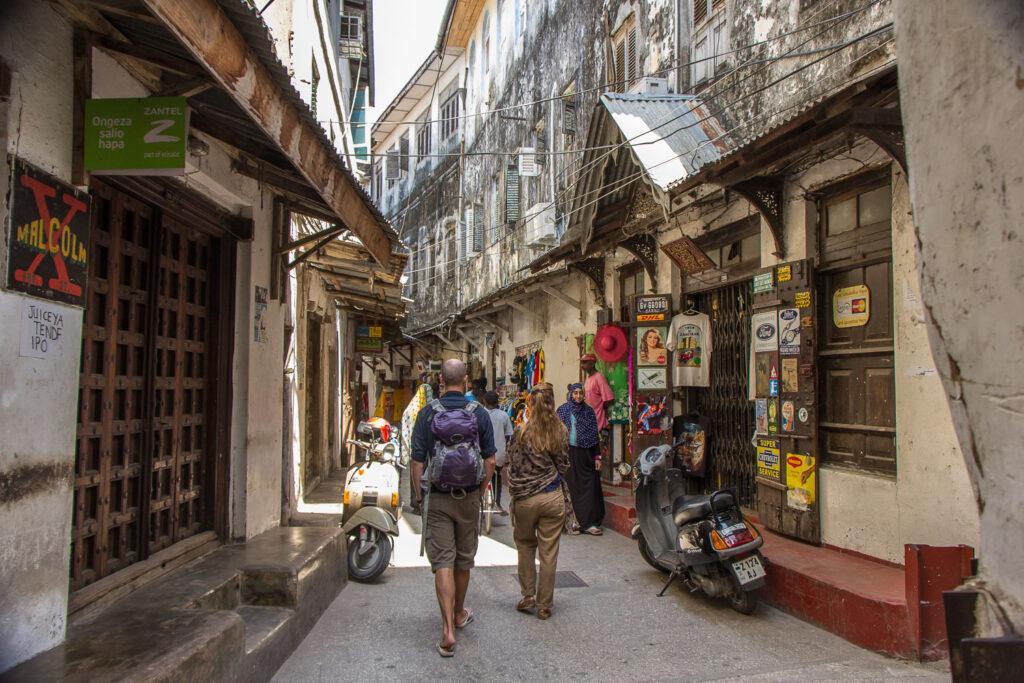
How much the myriad touts and tourist shops detract from the ambiance will depend on your tolerance for such things.
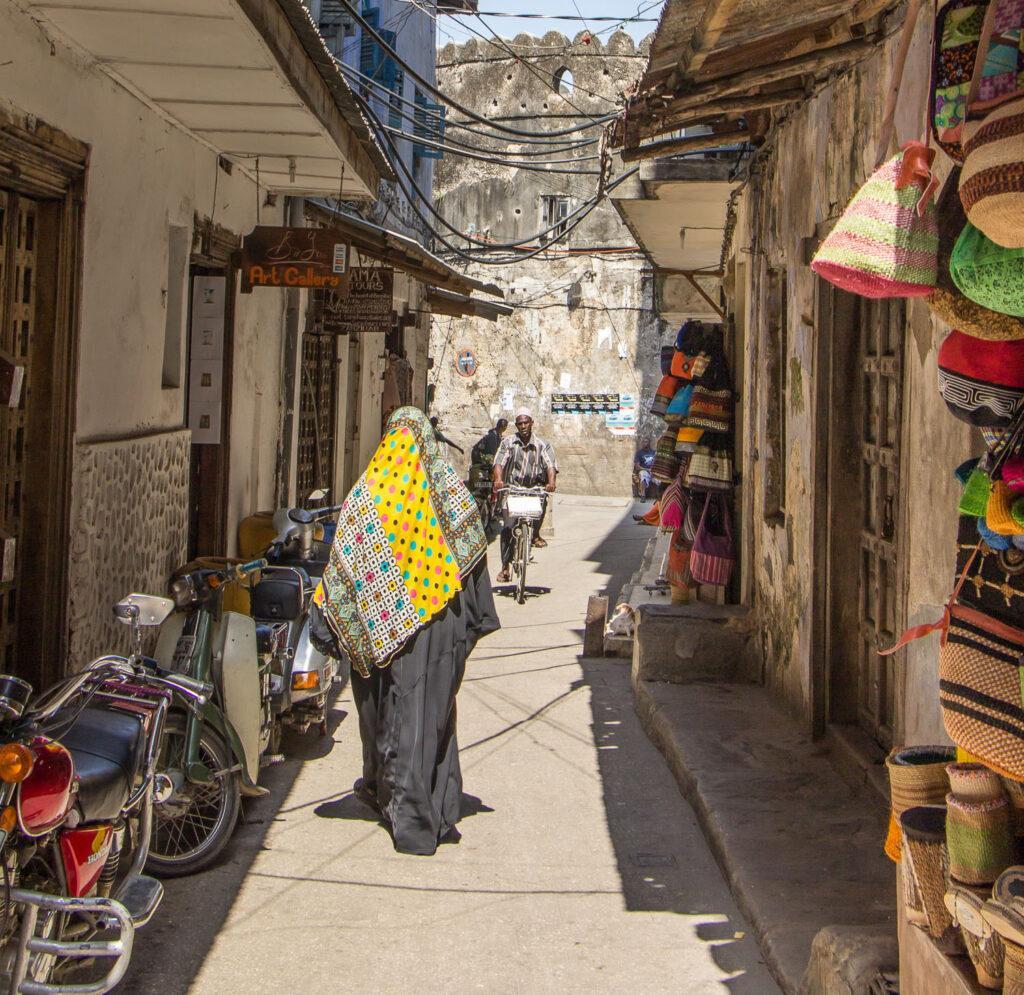
The narrow streets are surprisingly easy to negotiate. What first seems like an endless maze quickly becomes manageable. The town center really isn’t big enough to get lost in as a wrong turn quickly leads to one of the main roads that border the area.
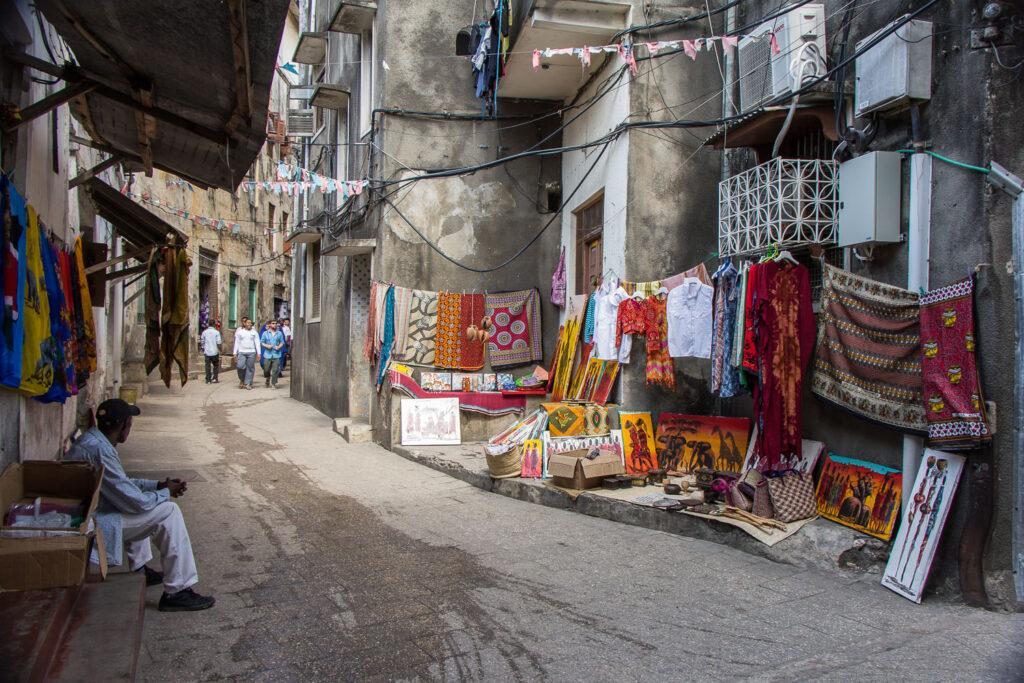
Taking what looks like a bigger street across town we use the hotels that we pass along the way as map reference points since they turn out to be much more plentiful than street names.
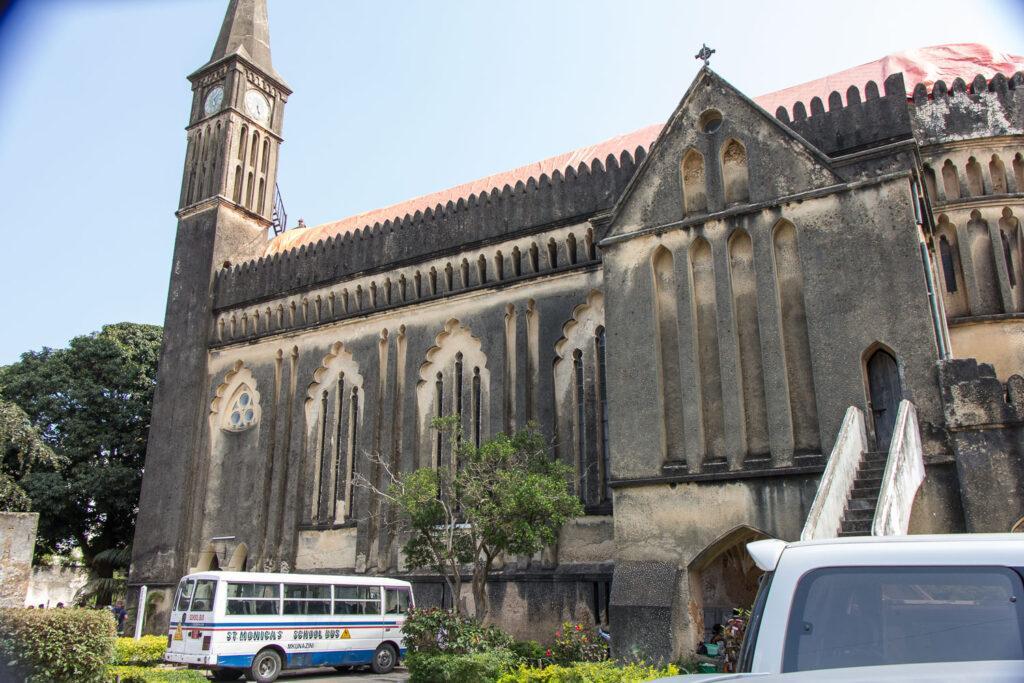
With just an evening and a couple of hours the next morning to see the sights of the town we make a quick visit to the old slave market to see the slave memorial and then head over to the Palace Museum (Beit el-Sahel), the former home of the sultan.
Anglican Cathedral/Site of Old Slave Market
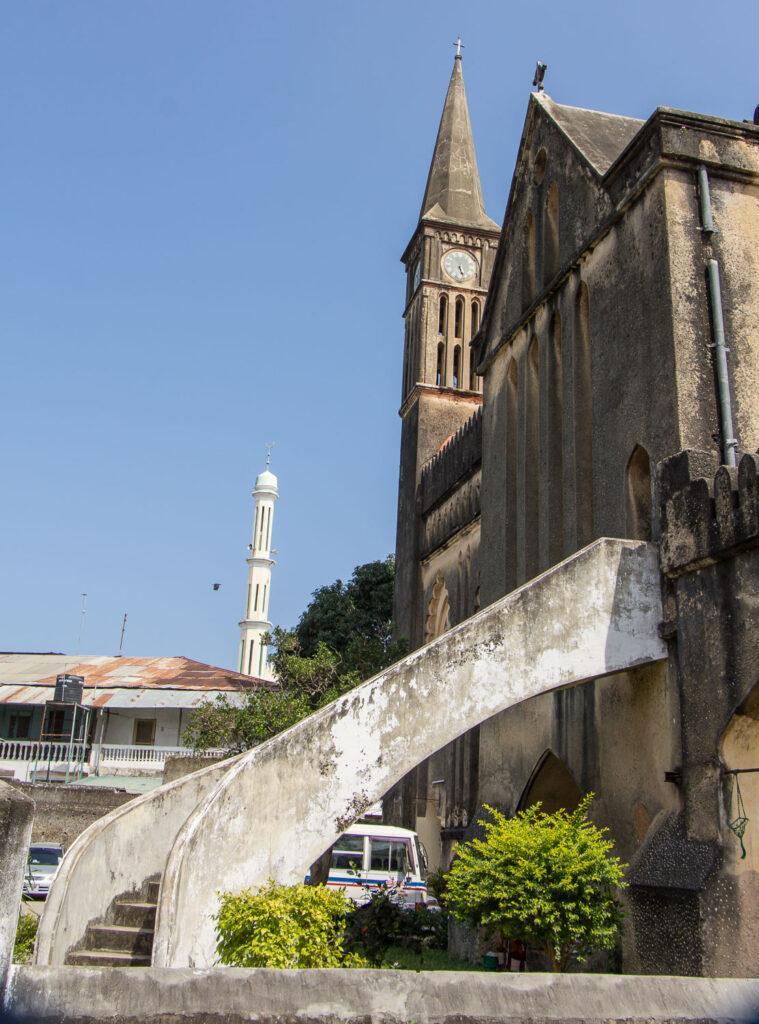
About a 10 minute walk from the Kisiwa House we find the Anglican Church, built on the site of the former slave market in 1874.
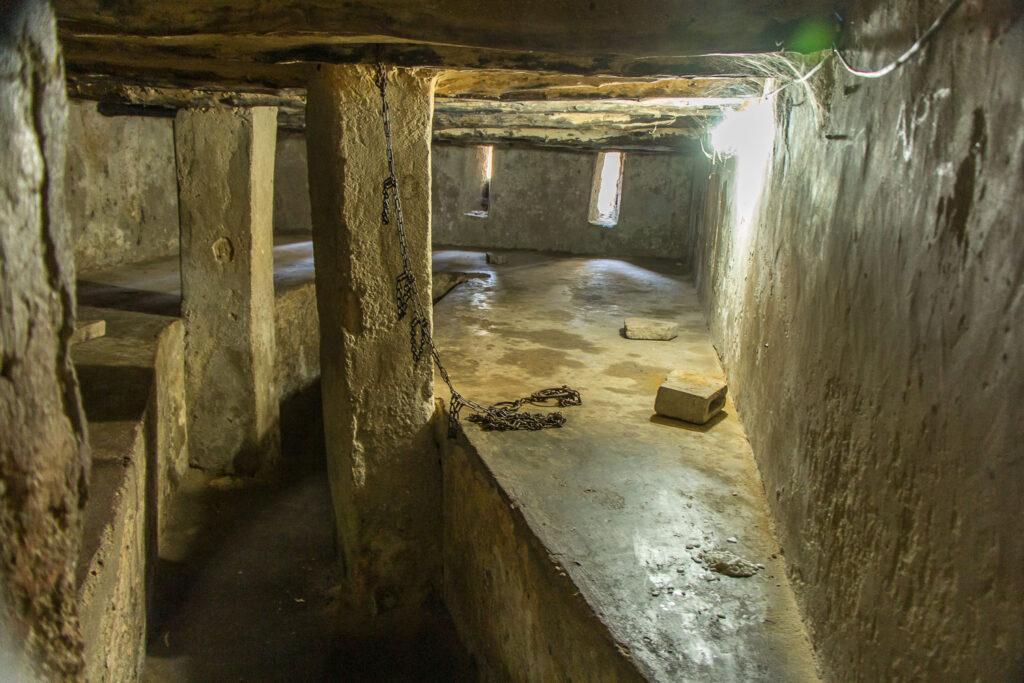
The $4 entrance fee allows access the church property including the underground slave quarters and the memorial located on the right side of the church.
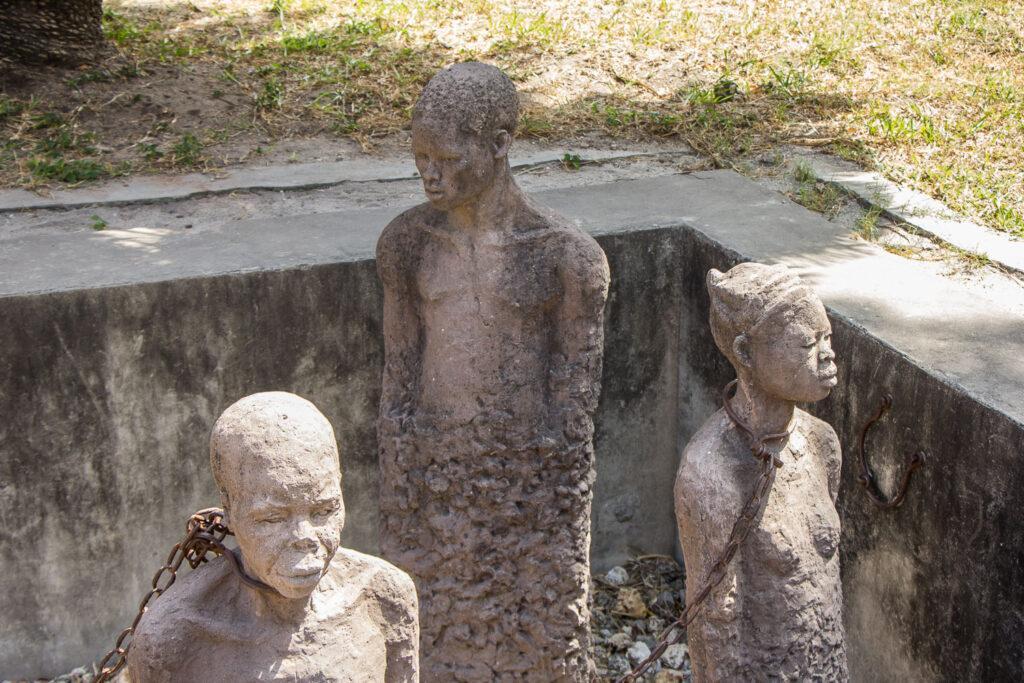
The clean but unmanicured lot adds to the overwhelming feeling of oppression generated by this expressive and powerful work.
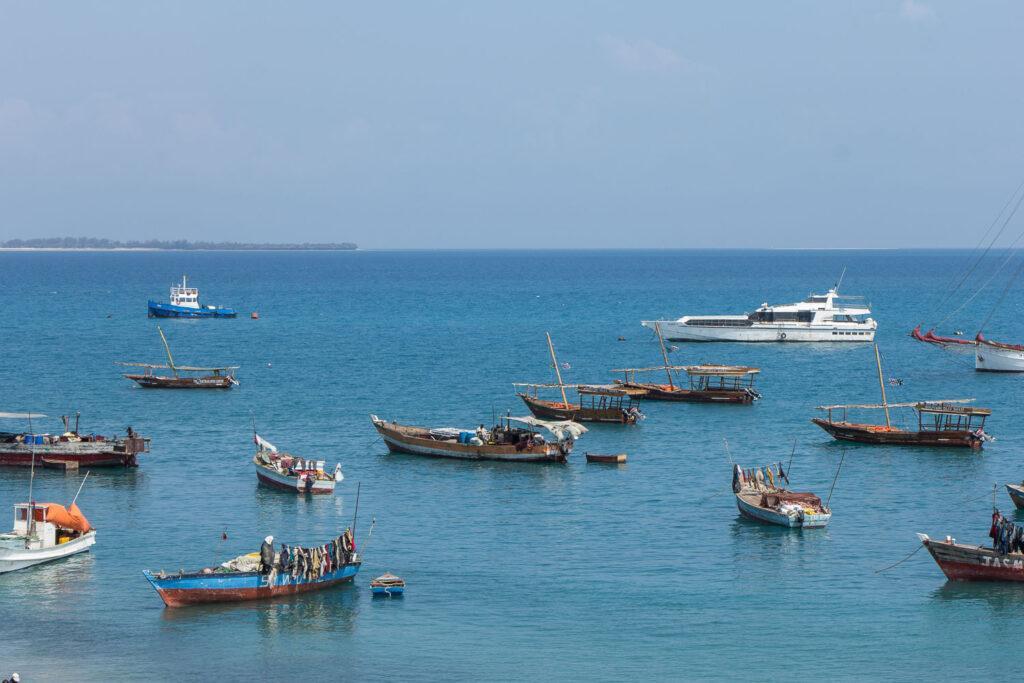
Short on time we skip the offers of a “free” guided tour and cross back through town towards the seafront to reach the Palace Museum.
Palace Museum
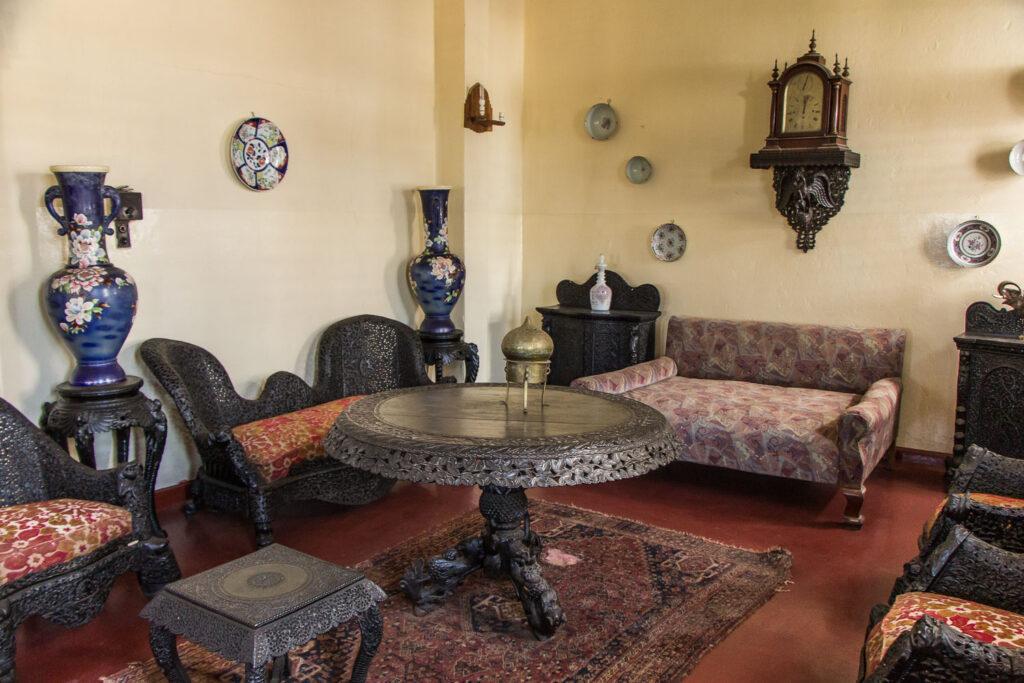
The 19th century palace was converted into a museum after the dynasty was overthrown in 1964.
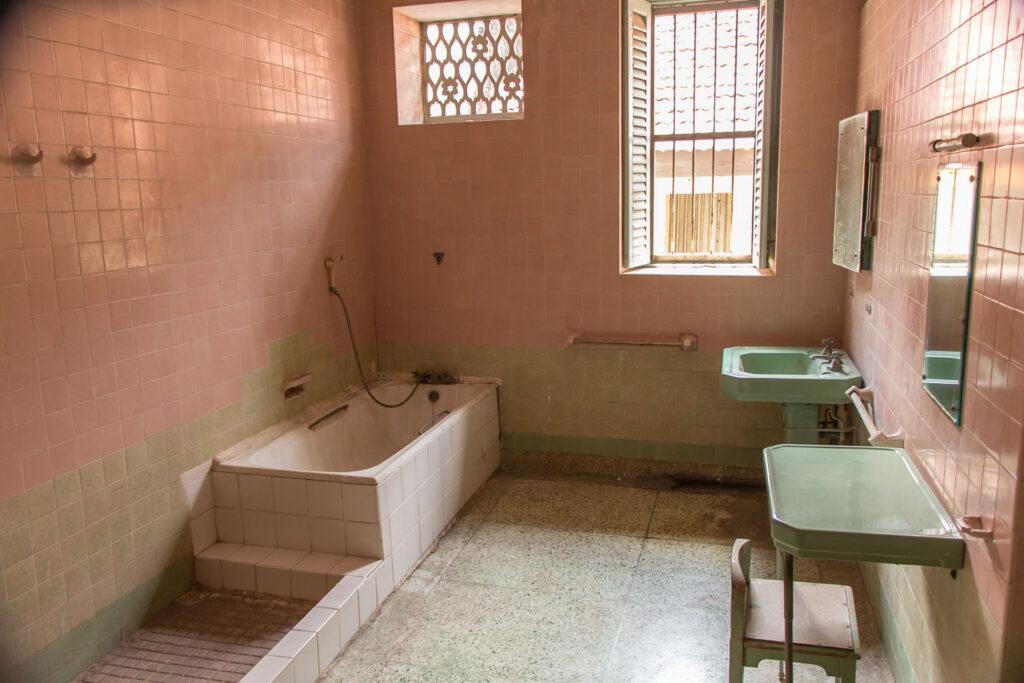
The former sultan’s residence has a sad abandoned feel with only a hint of its former “glory” lurking amid its dingy walls, worn carpeting and dusty furnishings.
September 7-8, 2013
For links to all the posts in this series see the East Africa page.